
 한국어
한국어 日本語
日本語 中文
中文Transparent heating solution
Transparent heating film and glass that use a silver nanowire (AgNW) transparent electrode to heat the whole glass surface evenly without obstructing the view.
01 Problem
What a difference in temperature costs you
Fogging, frost, condensation and icing are a constant nuisance in daily life, and in some situations they create a safety risk.
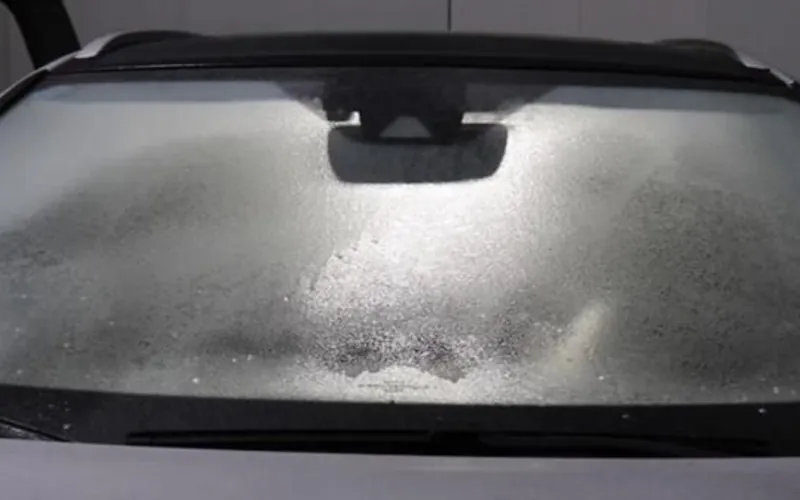
Vehicles · mobility
Ice and fog on the windshield
In low outside temperatures about 3mm of ice forms on the windshield, and the vehicle cannot be driven until the view is clear
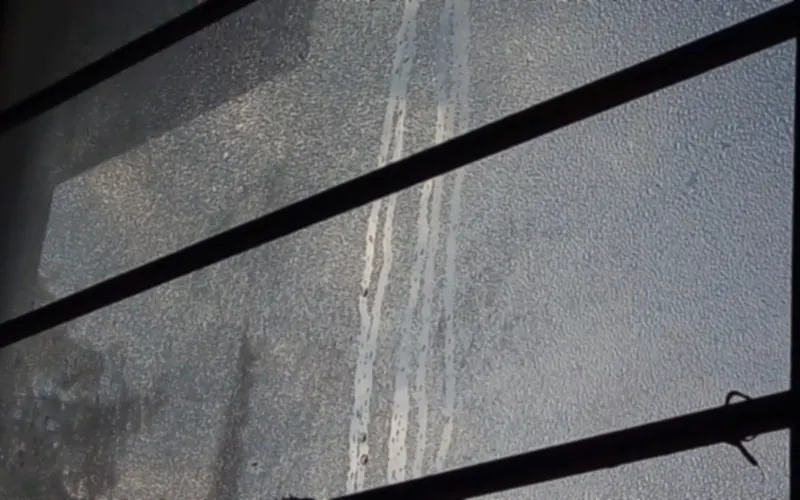
Buildings · facilities
Condensation and drafts at the window
In winter, condensation makes windows hard to see through and leads to a draft you can feel and heating loss
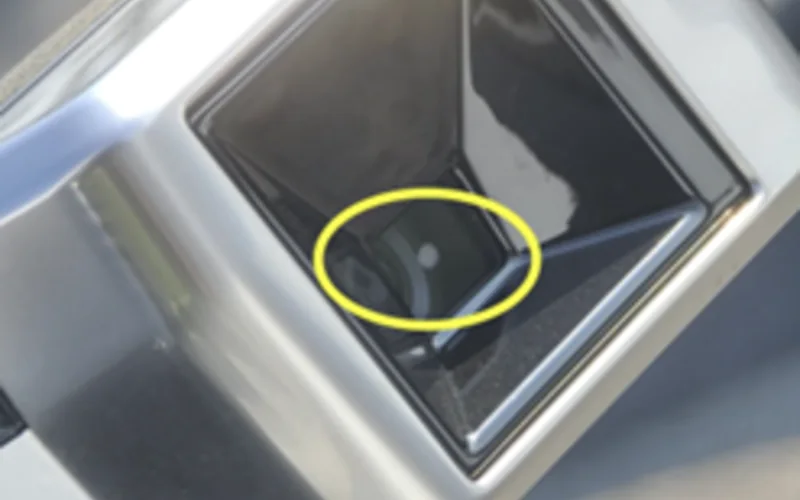
Cameras · sensors
Environmental factors that affect autonomous driving sensors
Object recognition degrades in fog and misting — an essential future technology for the environmental problems facing autonomous driving sensors
Where existing solutions stop
- Anti-fog agents
- A chemical coating works only briefly and has to be reapplied
- Heating wire
- Visible, so it obstructs the view, and heats unevenly
- ITO coating
- High resistance and poor flexibility, so it cannot be used on curved surfaces
- Warm air · hot air
- Slow, local and power-hungry
02 Solution
A functional coating for flexible devices
Used as a thin, transparent conductive film, the material delivers useful properties through an optimized coating. It blocks ultraviolet and infrared efficiently while holding transmittance at 89.5% or above, and heats evenly once power is applied.
A multilayer coating structure
5-Layer · 125㎛ total thickness
- Front protective film
- Overcoat layer
- Transparent heating layerThe core material · heats the whole surface evenly
- Substrate (film, glass, etc.)
- Rear protective film
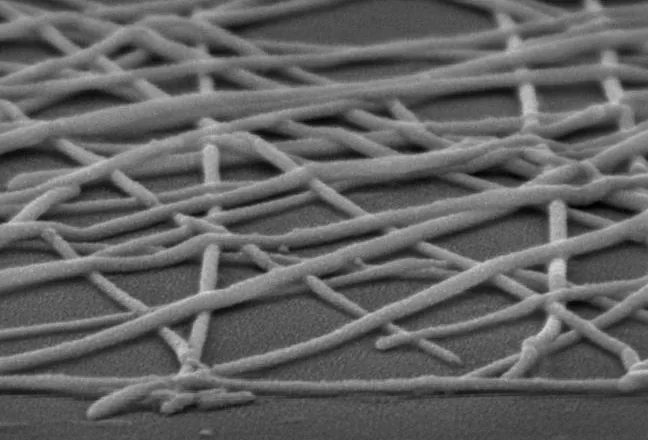
Silver nanowire (AgNW) network
SEM ×100k · 500nm
Silver nanofibers about 1/1,000 the thickness of a human hair tangle like a mesh and heat the whole surface evenly.
- UV blocked70%↑
- Thermal IR blocked10%↑
Standard specifications
Based on PET 125㎛
| Item | Value | Basis |
|---|---|---|
| Substrate / thickness | PET 125㎛ | ±1% |
| Film width | Max. 1,200mm | KS M ISO 16012 |
| Heating width | Max. 1,150mm | KS M ISO 16012 |
| Sheet resistance | 10 · 20 · 30 · 50 Ω/sq | ASTM F390 |
| Heating temperature | 90℃ ±10% | Film basis, MAX |
| Transmittance | 89.5% or above | ASTM D1003 |
| Haze | 1.5 or below | ASTM D1003 |
| Adhesion | 5B or above | ASTM D3359 |
03 Technology
Technology proven by client companies
The material achieves optical and heating properties superior to other transparent electrode materials, with defrosting performance, reliability and durability verified.
Transmittance (50Ω)
97.38%
Bare Glass 92.89% · ITO 45Ω 97.02%
Time to heat (12V, 50Ω)
70℃ in about 300s
Heats faster than commercial ITO products
LiDAR cover power draw
60% lower
10W (against 25W)
Transparent electrode materials compared
Measured under identical conditions · in-house test basis
| Item | BS ONE AgNW | Metal mesh | ITO | CNT |
|---|---|---|---|---|
| Sheet resistance | 5~100 Ω/sq | 5~20 | 30~100 | 100 or above |
| Transmittance | 90% or above | 87% | 91% | 86% |
| Flexibility | Excellent | Excellent | Not possible | Excellent |
| Process | Coating (large area) | Imprinting | Sputtering | Coating |
| Cost | Middle~Low | High | Middle | High |
Defrosting performance verified
Ambient –15℃ · 3mm ice on the windshield · 12V applied
Side window
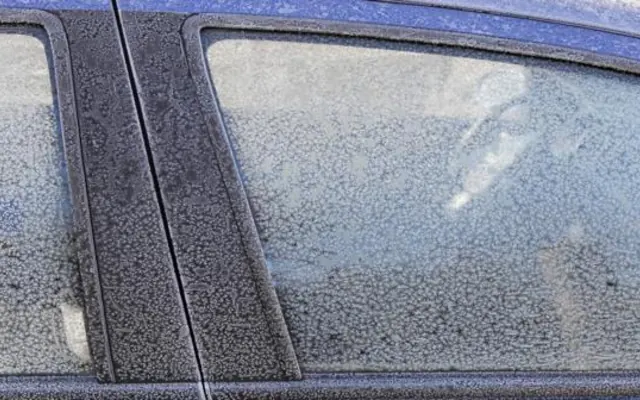
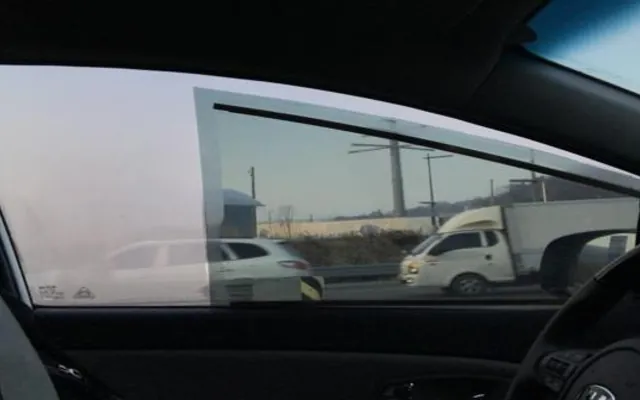
Windshield
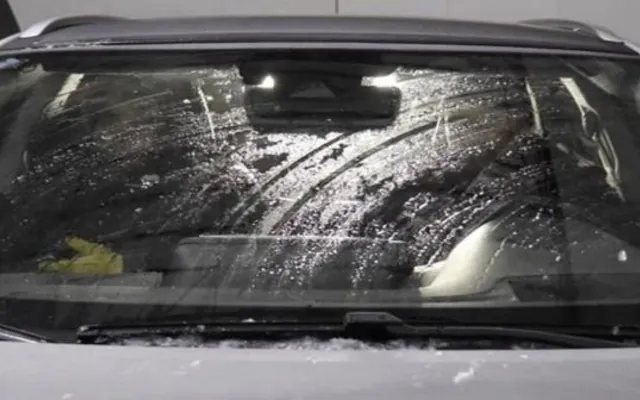
Reliability verified
- Thermal shock 1,500 cycles
- –40℃ defrost 80% or above
- Salt spray 240 hours
- Overvoltage 16V for 24 hours
- 80℃ sustained for 669 hours
- Rail standard KS C IEC 60571
04 Applications
Entering the market through PoC
We are extending into smart buildings, mobility, construction and other industries.
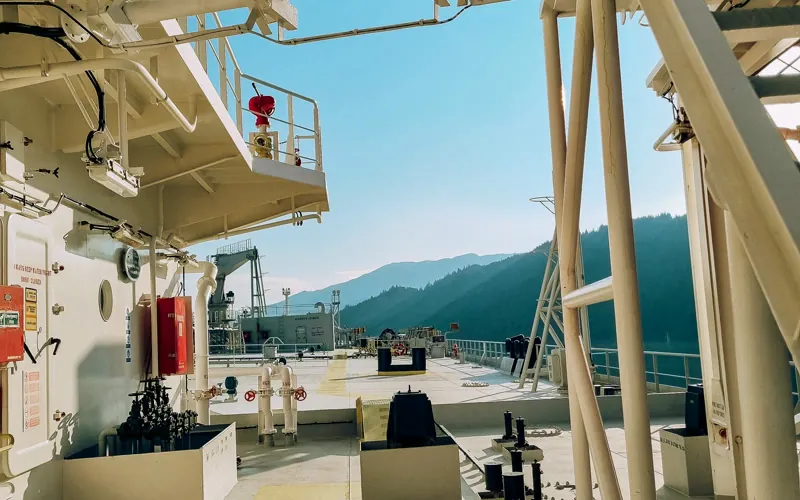
Ships and shipbuilding facilities
A heating film solution against condensation and icing on ships, in shipyards and in crane cabins
Case · Clearing ice and fog from wheelhouse glazing

Logistics and port facilities
A heating film solution against condensation and icing on crane cabin windows at ports and logistics terminals
Case · Transparent heaters installed across crane cabins
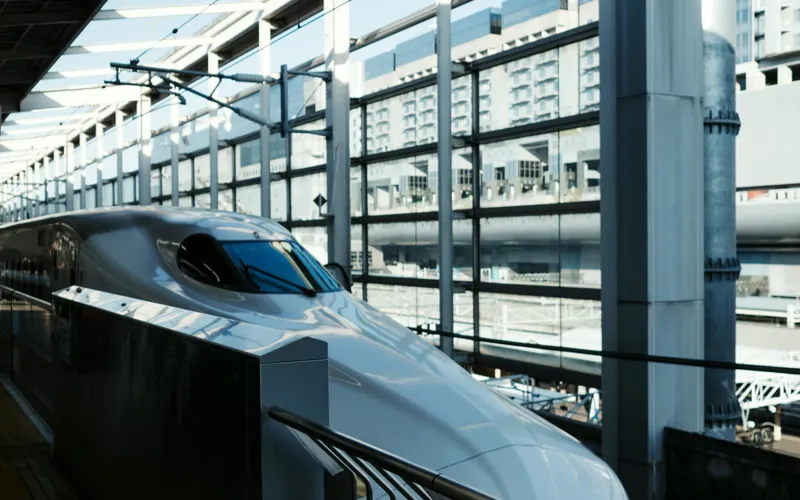
Rail and public transport
Applied to train windows and station facilities, and extended to heated seats in passenger cars
Case · Passed rail standard KS C IEC 60571

Autonomous driving and mobility
Heated glass for autonomous driving sensor covers and camera lenses, reducing environmental interference
Case · Heated glass for sensors exported overseas
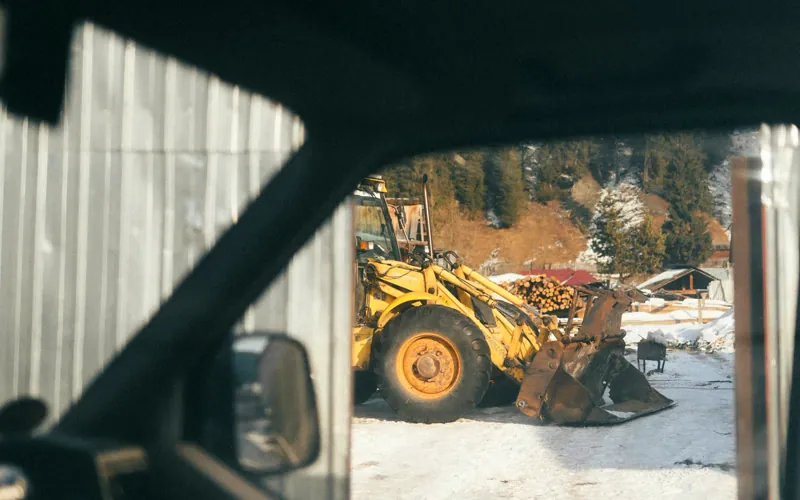
Heavy equipment and industrial plant
Keeping the view clear through observation windows on STS crane cabins, incineration plants and similar industrial facilities
Case · Wider use of heated glass across cabin fronts
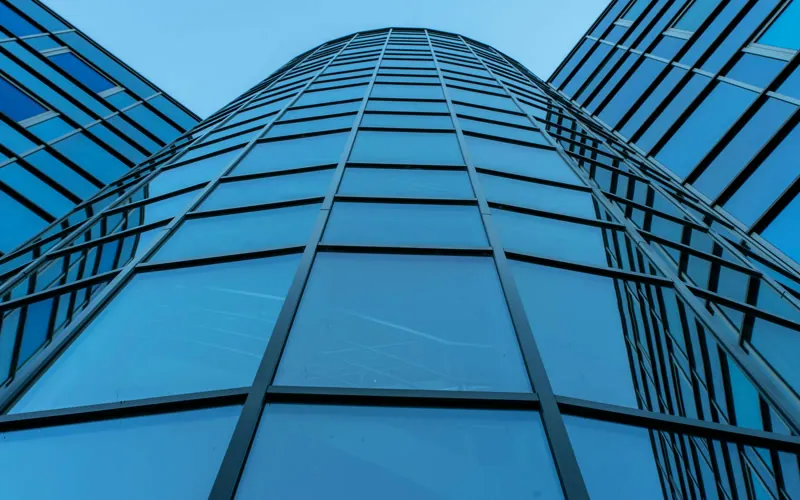
Architecture and smart buildings
Preventing condensation, fogging and icicles on zero energy building (ZEB) glazing
Case · PoC under way on public building glazing
A smart choice for your business: MRO procurement outsourcing
We can help with whatever you need to evaluate adopting the service. Weekdays 08:30–18:00.